 English



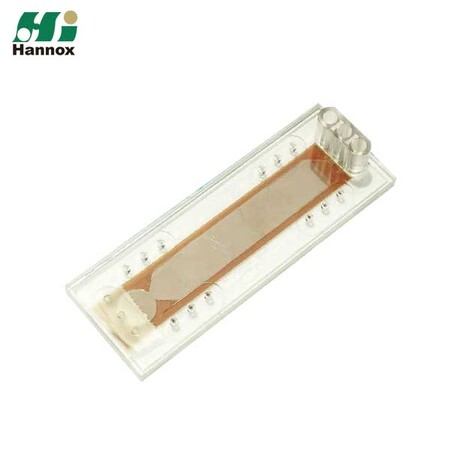


Microfluidic Cell Sorting Chip
MCS-96
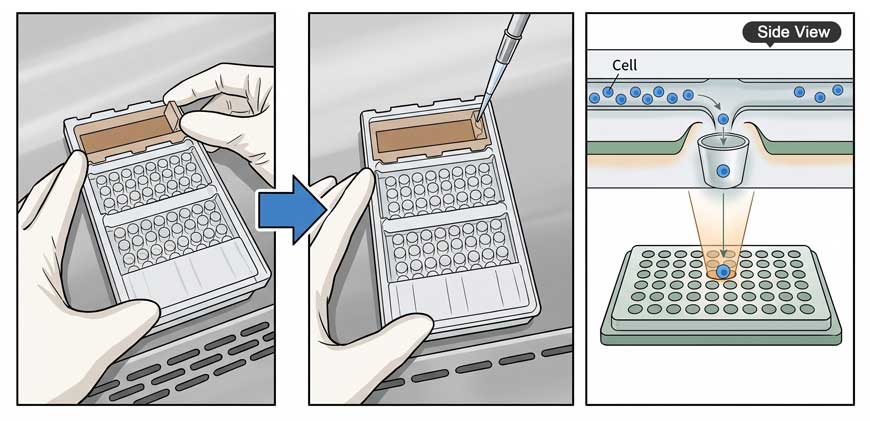
Microfluidic simple cell isolation chip for direct isolation into 96-well plates, immediate microscopic verification, and rapid transition from isolation to incubation.
Simple Cell Isolation
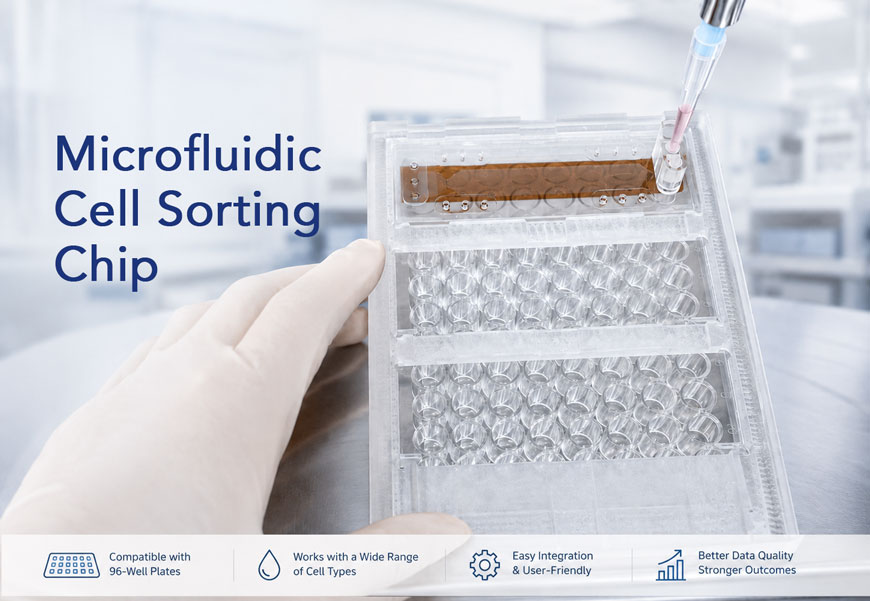
Direct Simple Cell Isolation into a 96-Well Plate
The Microfluidic Cell Sorting Chip is designed to simplify the front end of simple cell workflows. Isolated cells can be transferred directly into a 96-well plate, reducing the number of handling steps between isolation and culture. This passive isolation chip does not require specialized equipment.
Verify the Isolated Cell Before Incubation
After isolation, researchers can check the well by microscopy to confirm the presence of a single cell. This immediate verification helps establish a clear starting point before the plate is moved into incubation.
A Faster Alternative to Prolonged Limiting-Dilution Workflows
Traditional limiting-dilution methods can require repeated dilution, plating, observation, and regrowth over an extended period. The chip is intended to shorten this process by enabling direct cell isolation and immediate progression to culture, helping researchers reduce dependence on workflows that may otherwise take several weeks.
FEATURE
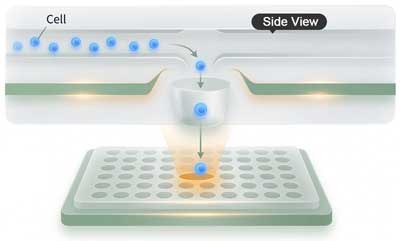
- Direct simple cell isolation into standard 96-well plates.
- Compact microchannel design with unique flow paths.
- Immediate microscopic verification of the isolated cell after isolation.
- Reduces the number of manual handling steps between isolation and culture.
- Designed to help shorten workflows that otherwise rely on time-consuming limiting dilution.
- Microfluidic approach supports compact, workflow-oriented cell handling.

APPLICATION

Monoclonal Cell Line Development
Useful when researchers need to establish cultures from a isolated cell such as stem cells, immune cells and document the starting condition before expansion.

Biopharmaceutical and Cancer treatment R&D
Supports clone-generation and cell-line development workflows in research programs where cell origin and workflow efficiency are important.
Clone Screening and Downstream Culture
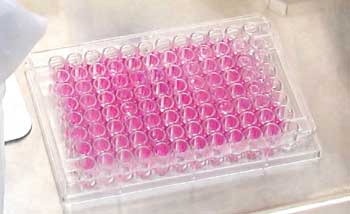
Direct transfer to a 96-well plate allows the isolated cell to move efficiently into culture, imaging, screening, or other downstream experimental steps.

Genome-Editing and Single-Cell Research Workflows
The chip may be integrated into research workflows that require isolation of individual cells before clonal expansion or downstream characterization. Suitability should be verified for the specific cell type and protocol.
SPECIFICATION
| Item | Specification |
|---|---|
| Product type | Microfluidic Cell Sorting Chip |
| Destination format | Direct isolation into a 96-well plate |
| Verification | Immediate microscopic confirmation after isolation |
| Post-isolation workflow | Ready to proceed to incubation after verification |
| Primary workflow benefit | Reduces dependence on prolonged limiting-dilution procedures |
| Typical research area | Biopharmaceutical R&D, cell-line development, and single-cell research |
| Material | Sterile biocompatible plastic |
| Isolation pore size | Available on request; custom pore-size development may be available through ODM services |
| Volume | Cell suspension volume per operation: 100 uL |
DIRECTION FOR USE
The following is a high-level research workflow. Exact loading conditions and operating parameters should follow the validated protocol for the cell type being isolated.
- Prepare a well-dispersed cell suspension using the laboratory's established cell preparation protocol.
- Position the Microfluidic Cell Sorting Chip with the designated 96-well plate according to the system setup.
- Load the cell suspension onto the chip using the specified laboratory or manufacturer procedure.
- After loading the cell suspension into the chip, cell culture medium must be loaded twice for cell isolation.
- Carry out cell isolation so that isolated cells are directed into individual wells.
- Inspect the target wells under a microscope and confirm the presence of a single isolated cell.
- Once the single-cell condition is confirmed, transfer the plate to the appropriate incubation conditions.
- Continue clonal expansion, screening, imaging, or downstream analysis according to the study design.
Note: Isolation performance can depend on cell size, morphology, aggregation, concentration, and sample preparation. Protocol optimization may be required for different cell types.
FAQ
| 1. What is the main purpose of the Microfluidic Cell Sorting Chip? It is designed to isolate individual cells directly into a 96-well plate so researchers can verify the isolated cell and proceed efficiently to incubation. |
| 2. How does this differ from limiting dilution? Limiting dilution typically relies on statistical dilution followed by repeated observation and culture. The chip is designed for direct cell isolation, which can reduce the time and manual handling associated with prolonged dilution-based workflows. |
| 3. Can I confirm that a well contains a single cell before incubation? Yes. Immediate microscopic verification after isolation is one of the key workflow advantages of the chip. |
| 4. Does the chip work directly with a 96-well plate? Yes. The product is designed for direct isolation onto a 96-well plate. |
| 5. What research workflows can use the chip? Typical applications include monoclonal cell-line development, clone screening, biopharmaceutical R&D, and other single-cell workflows that require an isolated cell before culture or characterization. |
| 6. Is the pore size fixed? It offers ODM development of cell-isolation chips with different pore sizes, so project-specific options may be available. |
| 7. Can every cell type be isolated with the same protocol? No. Cell size, shape, aggregation behavior, concentration, and sample quality can affect isolation performance. Compatibility and operating conditions should be evaluated for each cell type. |
Welcome Private Label, OEM/ODM, Distribution, and Agency Partnerships
For any further question ( Minimum Order Quantity, Prices or Domestic Distributor), please fill out the inquiry form, we will get back to you as soon as possible. Let us work together to make your product come true and hit the market successfully.
- Related Products
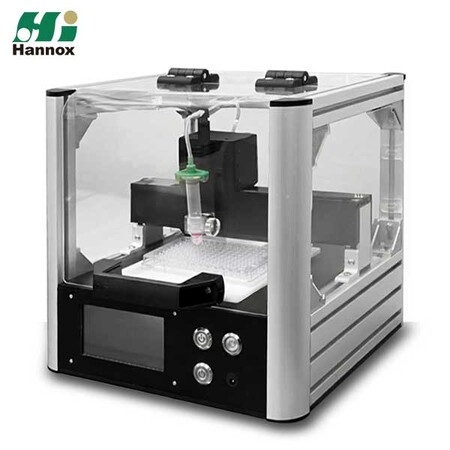
Automatic Cell Microplate Dispenser
ACD-2496
Purpose-built for 6- to 96-well microplates, this automated cell dispenser delivers faster, more precise, and labor-saving operation over manual pipetting. Compared with conventional peristaltic pumps, it minimizes dead volume, ensures gentle cell handling to preserve viability, and provides superior dispensing consistency.
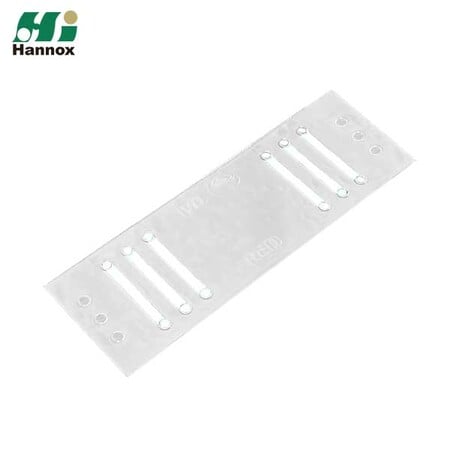
Live-Cell Fluorescence Imaging Chip
CIC-6F
Six-channel microfluidic imaging chip can use with a 170 µm optical bottom for confocal fluorescence microscopy, live-cell observation, blood cells, and micro-volume samples operation.