 English

【2026 Travel Health Watch】The New Normal of Mosquito Prevention in a Changing Climate: From Cherry Blossoms to the FIFA World Cup, Travel Safety Is Evolving
2026/2/25 HannoxAs global average temperatures continue to rise, climate change is quietly redefining the meaning of travel safety. Mosquito-borne disease risks, once considered primarily a tropical concern, are now appearing in higher-latitude countries and major metropolitan areas due to “Northward Expansion” and “Urban Adaptation.” In 2026, mosquito prevention is no longer a seasonal precaution but a year-round health management priority for travelers.
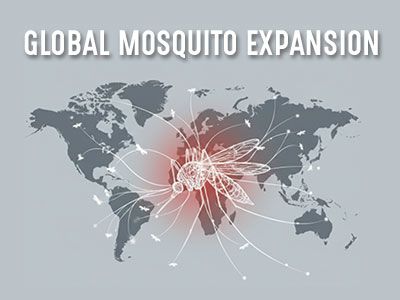
According to long-term monitoring data from European and international public health agencies, the Asian tiger mosquito (Aedes albopictus) has steadily expanded its range northward, with regions from Southern to Central Europe now under surveillance. In East Asia, a similar trend has been observed. The mosquito activity season has lengthened, with some cities in Japan and South Korea reporting activity extending beyond the traditional summer months into spring and late autumn. This means that even spring cherry blossom trips or autumn foliage tours are no longer only about sun protection or staying warm.
Several major international events in 2026, including the FIFA World Cup and the Youth Olympic Games, are scheduled during warmer periods or times of climate variability. Travel medicine experts caution that large outdoor gatherings and crowded venues may increase exposure risk, particularly during dusk and nighttime hours. In some regions, this may also heighten public health pressure related to West Nile virus or dengue fever.
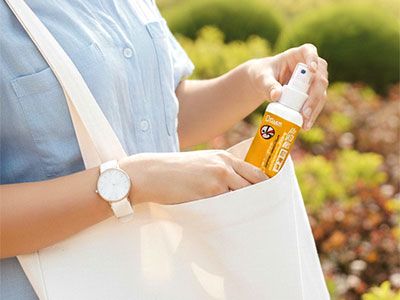
Against this backdrop, a “prevention-first” approach has become the core principle of travel health. Experts recommend that travelers prepare low-irritation, lightweight natural essential oil-based mosquito repellents, wear protective clothing as a physical barrier, and carry post-bite care products to relieve itching and prevent scratching. Together, these measures form a comprehensive protection strategy.
Climate change does not mean travel has become unsafe; rather, it calls for a shift in preparation mindset. Mosquito prevention should now be considered a standard part of travel planning. From admiring flowers in Paris to attending sporting events in the United States, the key to travel in 2026 lies not only in the destination, but in proactive health risk management.
- Related Products
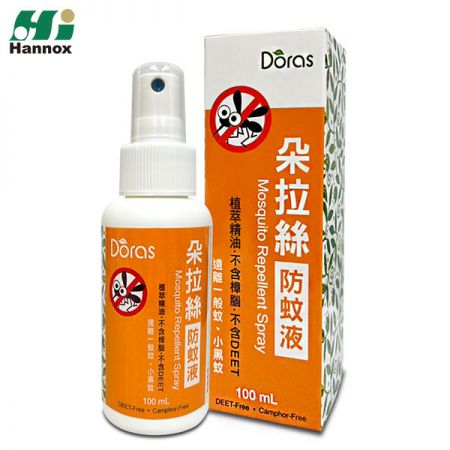
Doras Mosquito Repellent Spray (Camphor-Free)
DR-S100CF
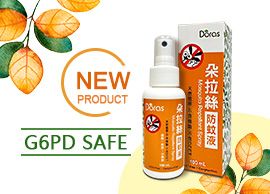
This newly developed Doras Camphor-Free Mosquito Repellent Spray is formulated with natural plant extracts and completely free of camphor, suitable for family, especially individuals with G6PD deficiency (favism). The lightweight, non-sticky formula protects skin from mosquito bites.
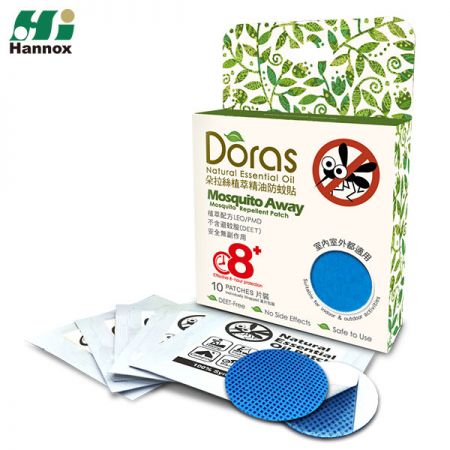
DORAS Mosquito Repellent Patch (PMD)
DR-P10
DORAS mosquito repellent patch is made with natural plant extract PMD (CitriodiolⓇ) and does not contain DEET. It is effective at repelling mosquitoes for up to 8-12 hours and is individually wrapped to preserve its efficacy. Against Dengue Mosquito (Aedes aegypti) & Zika
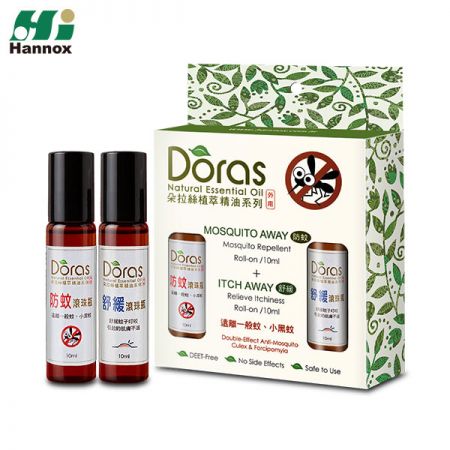
DORAS Mosquito Repellent Roll-on (Essential Oil)
DR-A1
Plant based essential oil for naturally repelling bugs, and relieving itching after bites. Contains no chemical ingredients. Pre-diluted to 3% for your convenience.